How to Experience Kandy Through Its Flavours: A Culinary Journey for Curious Travellers
Kandy’s cuisine is shaped by its inland setting, religious traditions, and long-established cooking practices. Unlike coastal regions, flavours here rely more on vegetables, rice, coconut, and measured use of spice than on seafood or heavy heat. Experiencing Kandy through food involves recognising which dishes define everyday meals, when they are eaten, and how preparation differs slightly from one kitchen to another.
Start With Traditional Rice and Curry Variations
Rice and curry in Kandy is not a single dish but a structured meal made up of separate preparations. A typical plate includes white or red rice, two or three vegetable curries, a sambol, and a mild gravy. Common vegetables include pumpkin, ash plantain, long beans, and young jackfruit.What distinguishes Kandy-style rice and curry is restraint. Coconut milk is used carefully rather than generously, and spices are balanced to avoid overpowering the vegetables. Eating this meal at lunch provides the clearest picture of how food is prepared for daily consumption rather than for special occasions.
Taste Jackfruit Prepared in Multiple Forms
Jackfruit is a frequent ingredient in Kandy kitchens and appears in different forms depending on maturity. Young jackfruit is cooked into a dry curry known as polos, where the flesh absorbs spices and develops a dense texture. Mature jackfruit may be boiled or lightly curried and eaten with rice.Ripe jackfruit is usually eaten fresh or paired with treacle as a simple dessert. Trying jackfruit across these forms shows how one ingredient is adapted for savoury and sweet use without changing its role as a staple.
Eat String Hoppers With Curry and Sambol
String hoppers are commonly eaten for breakfast or dinner in Kandy. Made from rice flour dough pressed into thin strands and steamed, they are served with coconut sambol, dhal curry, or a light vegetable gravy.The flavour comes from contrast rather than richness. Mild string hoppers balance the sharpness of sambol and the softness of dhal. This meal reflects how evening eating in Kandy tends to be lighter and more repetitive than midday meals.
Pay Attention to Dhal Curry Preparation
Dhal curry appears across almost every meal in Kandy, yet its preparation varies subtly. Some versions are cooked until thick and smooth, while others remain lighter with visible lentils. Garlic, curry leaves, and mustard seeds are tempered differently depending on household preference.Coconut milk may be added early for a mellow flavour or later to retain separation. These small decisions change texture more than taste. Eating dhal alongside different meals reveals how a single dish adapts without becoming a focal point.
Look for Sweets Linked to Religious Observance
Certain sweets appear in Kandy around temple days and festivals. Items such as kiribath, kavum, and kokis are prepared at home and shared during religious occasions. These foods rely on rice flour, coconut milk, and treacle rather than refined sugar.They are not produced daily and are rarely advertised. Encountering them depends more on timing than choice, making them part of the city’s food rhythm rather than its commercial offerings.
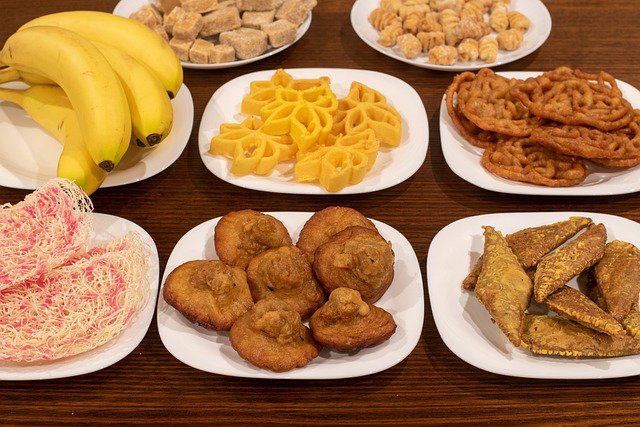
Image by Kavinda F from Pixabay
Notice How Location Shapes What Is Served
Some accommodation areas sit close to residential neighbourhoods where these dishes are prepared daily rather than adapted for presentation. Properties such as Cinnamon Citadel Kandy are positioned near local eating spots that serve standard meals instead of curated menus.Visitors staying near clusters of Kandy hotels often encounter these neighbourhood eateries simply by moving a short distance away from main roads. Eating in these settings makes it easier to notice how flavour is shaped by repetition rather than variation.
Compare Similar Dishes Across the City
Eating the same dishes in different parts of Kandy often brings small differences. Dhal may be thicker in one place and lighter in another, while sambol can vary in heat or acidity. These changes come from individual preparation rather than set formulas and become noticeable only through repetition.