How to Prepare for a Yala Safari: What to Pack, Wear, and Expect
A safari in Yala is shaped less by spectacle and more by patience, environment, and timing. Long hours in an open vehicle, shifting light, and changing terrain mean preparation directly affects comfort and awareness. Conditions inside the park influence how the day unfolds, from movement to visibility, and shape how time is spent on the drive.
Dress for Exposure Rather Than Style
Yala safaris involve extended time in open jeeps, often under direct sun with little shade. Neutral-coloured clothing works best, not for concealment, but because it absorbs less heat and remains comfortable over long periods. Lightweight fabrics that allow air movement are more comfortable than heavier materials, particularly during mid-morning and early afternoon drives.
Long sleeves and trousers serve a practical purpose. Dry vegetation, insects, and loose tracks are part of the environment, especially during the dry season when wind carries fine particles. Closed footwear provides better footing when stepping in and out of vehicles and protects against hot ground surfaces during brief stops.
Early morning drives can feel cool before sunrise, especially between November and February. A light outer layer that can be removed easily avoids discomfort without adding bulk.
Pack for Limited Access and Long Drives
Once inside the park, facilities are minimal. Safari drives often continue for long periods without stopping. Having water on hand becomes practical in dry conditions, particularly during early starts. Small snacks are useful, but packaging should be kept minimal to avoid noise and waste.
Sun exposure builds gradually. Hats with secure fits, sunglasses, and sunscreen reduce fatigue over time. A simple scarf or cloth can make longer drives more comfortable when tracks are dry and vehicles move in convoy.
Cameras and binoculars are best kept within reach rather than stored away. Wildlife sightings often happen briefly, and searching through bags reduces the chance to observe movement clearly. Power banks are useful, as charging opportunities are limited once the drive begins.
Understand How Safari Timing Shapes the Experience
Yala National Park operates around animal behaviour rather than visitor schedules. Morning safaris typically begin before sunrise, when temperatures are lower and movement is more noticeable. Afternoon drives extend into the early evening, offering different light conditions and activity patterns.
Activity often eases during the hottest part of the day, with both animals and vehicles covering less ground until conditions cool again.
Safari routes change depending on weather and conservation needs. Tracks may close without notice, and vehicles adjust accordingly. Movement within the park follows these conditions rather than fixed circuits.
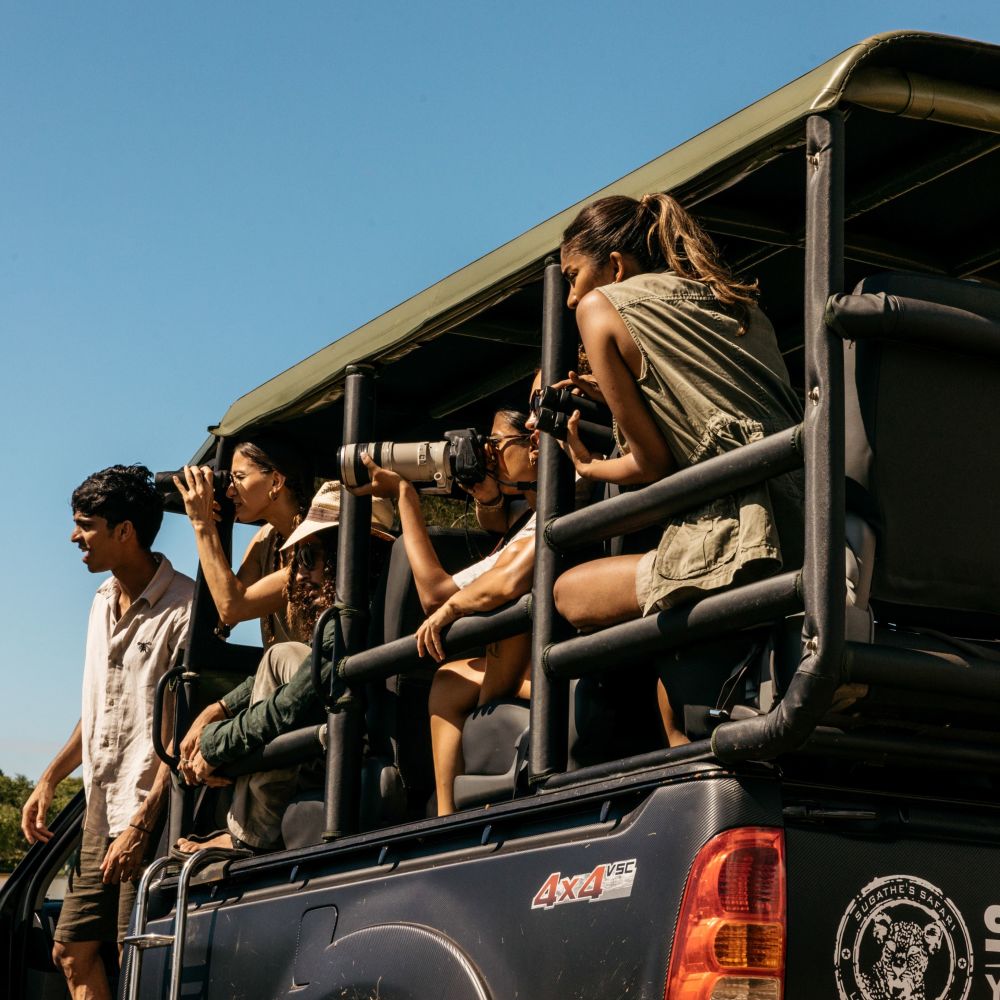
Image via Cinnamon Wild Yala
Expect Variation Rather Than Certainty
Yala is known for its leopard population, but safaris are not structured around guarantees. Wildlife encounters depend on timing, weather, and daily movement, which shifts from one drive to the next.
The landscape moves between scrubland, open plains, waterholes, and coastal stretches. Each area supports different species, and changes in terrain influence what appears along the drive.
Spending time watching often brings smaller details into view, including bird movement, changes in terrain, and brief interactions between species.
Many travellers choose accommodation close to Yala National Park entrances to reduce travel time before early safaris. Properties such as Cinnamon Wild Yala are often selected for their location. Among Yala hotels, proximity often shapes how safari days unfold.
Prepare for Dust, Silence, and Waiting
It is common for safari vehicles to remain in one place, especially near water or when guides are watching for movement. These pauses are usually quiet, and small changes often unfold gradually rather than immediately.
Dust is unavoidable, particularly between May and September. Vehicles travel along established tracks, and fine particles drift into open seating areas. Keeping equipment covered and essentials secured reduces distraction during longer drives.
Mobile coverage drops across much of the park, and long stretches pass without interruption. Attention tends to remain on the landscape and activity around the vehicle.
Learn the Role of the Guide and Tracker
Guides read tracks, monitor animal behaviour, and listen to radio communication between vehicles. Decisions are shaped by what is happening in the surrounding area rather than expectations of sightings.
When several vehicles stop in the same area, movement inside the jeep usually stays minimal, and conversation remains low, allowing activity nearby to continue without disturbance.
