How to Get Ready for a Dolphin Safari in Kalpitiya
Although Mirissa and Trincomalee are Sri Lanka’s top hotspots for whale-watching excursions, dolphin enthusiasts will find that Kalpitiya is a hidden gem for spotting their favourite mammals. Ranked among the most rewarding experiences holidaymakers can enjoy during a trip to the beach capital, dolphin cruises offer tourists the chance to observe the Indian Ocean’s most mischievous creatures. Here’s how first-time visitors can prepare for a dolphin safari during a stopover in Kalpitiya.
Time the Cruise
While Kalpitiya’s coastlines are teeming with schools of dolphins during most months of the year, those who wish to increase their chances of spotting the playful mammals must plan their visit between November and April. As the official whale and dolphin-watching season on the island, this period offers visitors the best odds of spotting various dolphin species off the coast of Kalpitiya as well as the opportunity to enjoy a cruise during the sunny, dry season. The calm waters that prevail during this period also make for a more memorable dolphin safari tour, unlike the monsoon months between May and October that are synonymous with choppy waters and less-than-ideal sailing conditions.
Find a Reliable Tour Operator
The professionalism and the expertise of a dolphin safari operator can also influence the overall quality of a dolphin-watching expedition. Those who are based at Dolphin Beach Resort, for instance, can sign up for a dolphin cruise conducted by their Kalpitiya hotel, although not all accommodation providers in the area organise private dolphin-watching excursions. Those who must find a local tour operator, therefore, must first consider online reviews to determine which local outfit is a good fit for their needs and budget. Don’t forget to delve into each tour operator’s safety and sustainability record as some are known to sail dangerously close to marine life, ignoring regulations regarding passenger safety.
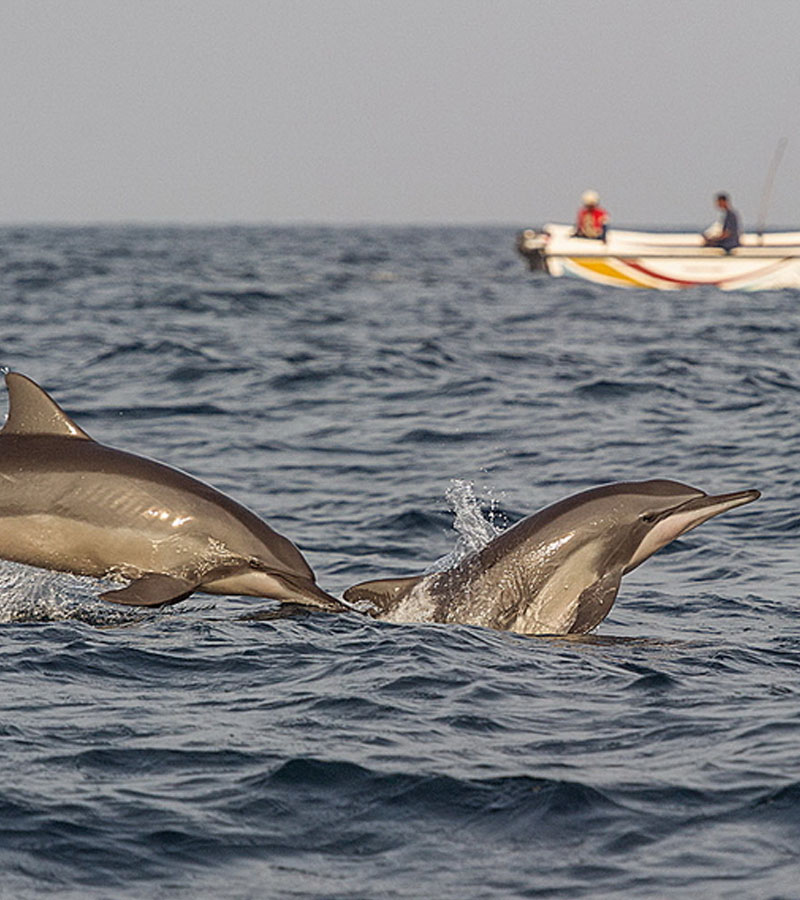
Image via Dolphin Beach Resort
Don’t Overindulge
Although dolphin-watching tours set sail during the morning and the late afternoon, it’s necessary to mind what one consumes prior to the expedition. A big breakfast or a heavy meal is not recommended before any seafaring adventure, regardless of whether you’re prone to seasickness. This is why it’s best to enjoy a light snack or a hydrating beverage before departing for a dolphin cruise, as overindulging in either food or drink can be a recipe for disaster. Those who experience car sickness and motion sickness should take over-the-counter medication that can ease symptoms and prevent the likelihood of nausea before stepping onboard the cruise vessel.
What to Pack and What to Wear
It’s prudent to wear casual clothing during a dolphin-watching excursion, although shorts and pants are more practical than sundresses and short skirts. Don’t forget to wear a hat and sunglasses to reduce the glare of the sun’s rays, while a windbreaker may also come in handy from time to time.A bottle of water and a camera are essentials travellers must have on hand during the tour, while disposable bags, light snacks and a waterproof bag to protect valuables will also prove useful, especially if one is travelling with children.
Other Tips
First-timers may also want to temper their expectations as dolphin sightings depend on the prevailing weather conditions as well as the timing of the tour. Staying present and alert during the experience can also help visitors make the most of the experience, as checking one’s phone every few minutes and gazing at the ocean through a camera lens can take one out of one’s surroundings. Those who wish to document their dolphin encounters will also want to minimise distractions and stay focused on what’s happening in the water, as dolphins can appear and disappear in a matter of seconds.
Safety Precautions
Dolphin cruise passengers will often be asked to wear life vests during the tour for their own safety, and it’s important to listen to the captain’s and the crew’s instructions when it comes to similar safety precautions. Running around on the deck and leaning over railings should also be avoided, and passengers should also stay seated during certain portions of the journey when instructed to do so.
