How to Become a Seafarer in 2026: A Step-by-Step Guide
A maritime career in 2026 will allow you to travel the globe, develop discipline, and become a member of a team while also providing good income prospects. No matter whether you want to be employed as crew members on passenger, cargo, or even commercial ships, you have to meet specific requirements, which are outlined in the following roadmap.
Learn the Main Career Tracks
At sea, roles fall broadly into deck, engine, catering, and technical departments. Deck officers handle navigation and ship operations; marine engineers look after engines and machinery; catering and hospitality staff support life onboard. Entry-level positions include cadets and ratings. Think about your strengths and interests early—that will help you pick the right training route. Demand for qualified officers, engineers, and technical crew remains strong worldwide in 2026.
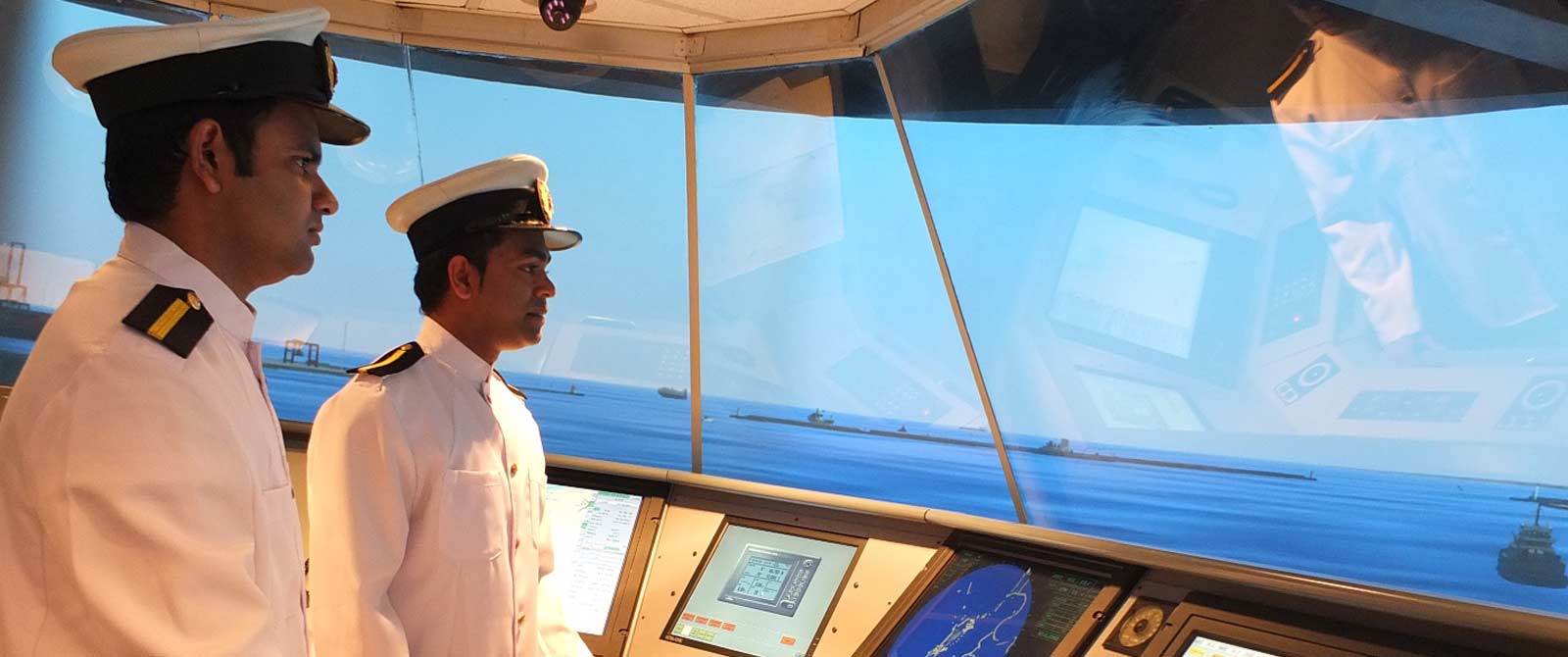
Image via CINEC Campus Sri Lanka
Meet Basic Academic and Medical Requirements
Most maritime colleges will demand a school-leaving certificate (O/L or A/L), where math, sciences, and English become relevant subjects due to their relevance to technology-related roles. It is also important that you obtain a physical fitness certificate to prove that you have perfect sight and hearing, in addition to overall health, considering the need for seafarers to stay healthy during voyages and other emergency situations.
Complete STCW Mandatory Courses
The STCW (Standards of Training, Certification and Watchkeeping) is the international standard for seafarers’ training developed by the International Maritime Organisation. The compulsory components are as follows: Personal Survival Techniques, Fire Prevention and Firefighting, Elementary First Aid, and Personal Safety and Social Responsibility. They are necessary to work aboard virtually any ship.
Get Practical Training and Simulator Experience
Practical skills are essential. Many institutes offer marine simulation courses in Sri Lanka that teach navigation, vessel handling, emergency response, radar/ECDIS use, and engine-room operations. Simulation training helps build confidence and prepares you for onboard life, making you more competitive when applying for cadet placements or entry-level officer roles.
Choose a Reputable Maritime Institute
Pick a recognised training provider that follows IMO standards and is approved by relevant maritime authorities. In Sri Lanka, for example, CINEC Campus Sri Lanka is a well-known option offering cadet pathways, engineering officer courses, and STCW programs. A respected institute improves your technical knowledge and boosts your chances with shipping companies both locally and abroad.
Complete Sea Training and Cadet Placement
Following classroom training and simulation, you have to get sea time, which will require you to be a cadet or trainee on board a ship. The practical training is mandatory in order to move ahead to officer qualifications. During your time at sea, you will acquire skills such as watchkeeping, navigation, and safety, among others.
Prepare for Competency Exams and Licensing
Once you've finished your classroom training and logged the required sea time, the next step is preparing for the competency examinations. These tests measure your technical knowledge, safety awareness, navigation skills, and your ability to manage real-life maritime situations. Depending on whether you choose the deck or engine route, topics can include ship stability, maritime law, engineering systems, and emergency procedures. Passing the exams is necessary to earn your Certificate of Competency and qualify for officer-level positions, so focused preparation—mock exams, revision courses, and simulator practice—can make a big difference in your success and career progress.
Build a Long-Term Career Path at Sea
A career at sea could prove fruitful for anyone willing to invest some effort into it. Starting from the ranks of trainee or cadet, you will gradually move to become a third officer, chief officer, second engineer, and finally, captain. Specialists usually find themselves occupying land jobs, including port activities, maritime logistics, shipping, and marine insurance, owing to their experience at sea. As long as you keep improving yourself through licensing, there is no question that your career is assured to be successful and rewarding in the years ahead.
Ultimately, becoming a seafarer in 2026 takes dedication, the right certifications, and practical sea experience. Follow a clear career path, complete STCW training, get simulator exposure, and secure sea time. With reputable training and growing global demand for skilled crew, maritime work can be a rewarding international career—especially for young professionals in Sri Lanka and other maritime nations.