How Singapore Combines Urban Adventures with Peaceful Nature Experiences
Singapore can keep you busy from morning until night. You can start the day among tall buildings, spend lunch in a busy hawker centre and finish the afternoon walking beneath trees far from the traffic. That contrast is one of the reasons Singapore works so well for travellers who want variety. You do not need to leave the city to find nature. You also do not need to give up city experiences to enjoy quiet surroundings. The trick is knowing how to combine both. With a little planning, you can visit famous attractions, explore different neighbourhoods and still find time to slow down in a park, nature reserve or coastal area.
Start With the City Centre
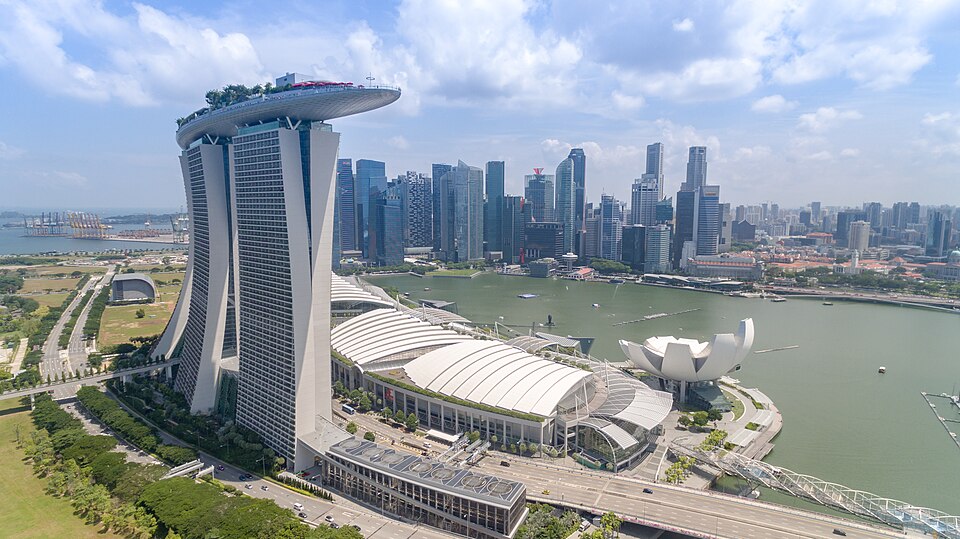
Begin your trip where Singapore feels busiest. Marina Bay gives you a good introduction to the modern side of the city. Walk around the waterfront and take in the skyline before visiting nearby attractions. You can spend a few hours exploring the area without needing a car. Once you have seen the main sights, resist the temptation to keep adding attractions. Instead, find somewhere to sit. The waterfront gives you a chance to watch people, boats and city life before moving on. This simple pause can make the rest of the day feel less rushed.
https://commons.wikimedia.org/wiki/File:Aerial_Marina_Bay_Singapore_(36365629480)_(2).jpg
Walk Through Gardens by the Bay
Gardens by the Bay gives you both sides of Singapore in one place. Modern structures rise above large areas of greenery, creating a setting that feels very different from the surrounding streets. Give yourself enough time to walk rather than moving directly between the main attractions. The outdoor gardens are worth exploring at a slower pace. You may find quiet paths away from the busiest areas. If you visit later in the day, stay into the evening. The atmosphere changes as the light fades and the gardens become cooler. Why rush back to the hotel when one of Singapore's most recognisable places looks completely different after sunset?
Mix Neighbourhoods With Green Spaces
Make sure not to limit your trip to only famous attractions. Singapore's neighbourhoods offer plenty of opportunities to combine culture and outdoor experiences. Explore Chinatown in the morning, enjoy lunch at a hawker centre, then walk towards the Singapore River. If you choose a budget-friendly Hotel in Bugis, Singapore, you put yourself within walking distance of both historic shophouses and peaceful green spaces like Fort Canning Park. Staying at a central option such as Hotel 81 Bugis makes it simple to start your day exploring local markets before wandering over to nearby parks. This approach gives you more variety without requiring long journeys. You experience food, architecture, local life and nature within the same day.
Explore the Southern Ridges
For a stronger break from the city, head towards the Southern Ridges. The walking routes connect several green spaces and offer views across parts of Singapore. You can spend several hours walking, though there is no need to complete every section. Choose a route that matches your energy. Take water with you and wear comfortable shoes. Stop when you find a good viewpoint. The appeal comes from the contrast. You are still inside Singapore, yet the sounds and surroundings can feel far removed from the main roads.
Visit the Singapore Botanic Gardens
A visit to the Singapore Botanic Gardens gives you another way to slow down. The gardens cover a large area, so trying to see everything in one visit can become tiring. Choose a few sections that interest you. Walk beneath the trees. Look around the plant collections. Find a quiet place to sit. The gardens also provide a useful break if your itinerary contains several museums, shopping areas or heritage sites. You do not have to make every stop an activity. Sometimes the best part of the afternoon is simply having nowhere else to be.
Spend Time Near the Water
Singapore's coastal areas provide another change of pace. East Coast Park is a popular choice for cycling, walking and relaxing beside the sea. You can rent a bicycle, take a long walk or simply find a place to sit. The experience does not require a complicated itinerary. Give yourself an hour or two. Watch cyclists pass. Look towards the water. Have a drink before continuing with the rest of your plans. These small breaks can make a busy city holiday much easier to enjoy.
Try an Outdoor Activity
Nature does not always mean walking. Singapore offers several ways to experience the outdoors. You can cycle through parks, explore forest trails or take part in water-based activities. Choose something that fits your interests. If you prefer a gentle day, cycling along a park connector may be enough. If you want more activity, choose a longer walking route through one of the city's nature areas. The important part is to avoid filling the day with activities simply because they are available. Leave some energy for the evening.
Plan Around the Heat
Singapore's weather can affect how much you enjoy outdoor activities. Plan longer walks for the morning or later afternoon when possible. Use the middle of the day for museums, shopping centres, cafés or lunch. This simple change can make a major difference. You avoid spending hours outside when the heat feels strongest. You also create a natural rhythm for the day. Explore outdoors. Cool down indoors. Then head outside again.
Keep One Day Less Structured
A tightly planned itinerary can make Singapore feel like a list of appointments. Leave at least one day with fewer fixed plans. Choose a neighbourhood, pick one main attraction and allow the rest of the day to develop naturally. You might find a small café. A park could catch your attention. You may decide to walk further than expected. These moments are difficult to plan, yet they often become the parts of a trip you remember most clearly. Singapore gives you the freedom to experience both sides of city life. You can spend the morning surrounded by glass towers and the afternoon beneath trees. You can move from a crowded food centre to a quiet coastal path within the same day. The key is not choosing between urban adventures and nature. It is learning how to fit both into the same journey without rushing either one.

_(2).jpg)